Tradespeople
- plumbers
- electricians
- gas engineers
- bricklayers
- carpenters and joiners
- chimney sweeps
- gardeners
- handyman services
- repair technicians
- installation and service technicians
Simple POS systems for tradespeople, service providers, sole traders and the self-employed. Suitable for premises and work at the customer’s location – from a phone or portable register to a complete touchscreen setup.
Choose a registerWhen providing services or working in a trade, you need a register that does not slow you down. Some businesses take only a few payments a day at customer locations, while others need a conventional touchscreen register in permanent premises. The right solution depends on how you actually work.
A phone, tablet or mobile terminal may be enough for a smaller business or field work. A busier location is better served by a standalone register with a printer and additional features. Above all, the system should remain easy to use and adapt to your business.
The solution also suits other sole traders and self-employed people who need simple records of sales or service payments, whether they work from their own premises or directly at customer locations.
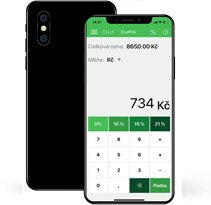
A mobile solution is ideal for tradespeople and service providers who travel between customers. The register can run on a phone, tablet or dedicated portable terminal.
A small studio, workshop, repair shop or office may need only a simple register or mobile device, with a printer and card acceptance added when required.
A full touchscreen register is more practical when you take more payments. It provides faster service, a sales overview and connections for additional accessories.
Plumbers, electricians, service technicians, gardeners and other tradespeople often take payment only after finishing work at the customer’s location. A mobile solution is far more practical there than a fixed register in permanent premises.
Depending on the device and software, the business can issue a receipt, accept cash or cashless payment and keep track of sales away from its premises. The mobile CIONTEK terminal has a built-in printer and supports card payments through GP tom and Viva Wallet; EcoPOS can send receipts by email.
EET 2.0 applies to tradespeople, sole traders and service providers who receive qualifying business income in cash or as contact payments, unless a statutory exemption applies. The job title, place of work and VAT status are not decisive.
The Czech Financial Administration gives plumbers and furniture installers as examples. Cash, card or QR payments accepted on site are typically recorded; cash is recorded even without personal contact. A conventional remote bank transfer paid later against an invoice is typically not recorded.
Being a small business or not being registered for VAT does not automatically create an exemption from EET 2.0.
Our complete EET 2.0 guide explains the timetable, payment types, exemptions and preparation in detail.
In detail: EET 2.0 for services and trades
Complete EET 2.0 guide → Which payments are recorded in EET 2.0? EET OFF: who does not have to record sales and how to register| Situation | EET 2.0 recording |
|---|---|
| Customer pays cash on the premises | Usually yes |
| Customer pays by card on site | Usually yes |
| Customer pays by QR code on site | Usually yes |
| Tradesperson accepts cash at the customer’s location | Usually yes |
| Tradesperson accepts card or QR payment at the customer’s location | Usually yes |
| Business issues an invoice that is paid later by bank transfer | Usually no |
| Remote payment without personal contact | Usually no |
Cash is recorded even without personal contact. For a cashless payment, the key question is whether it is a contact payment made during personal contact, on the premises or in the business’s vehicle.
Yes, when the income and payment method meet the conditions for a recorded sale and no statutory exemption applies. A small operation or non-VAT status alone does not create a general exemption.
The voluntary EET OFF regime is available only to individuals in the first band of the Czech flat-rate scheme whose self-employment income in the preceding period did not exceed 1 000 000 Kč. The surcharge is 1 400 Kč per month. Notice is due by the 10th day of the tax period, for 2027 by 11 January 2027, and the choice is fixed for the year. If the limit is exceeded, the surcharge continues through year-end and recording starts in the following year.
If you work at customer locations, favour a portable solution that you can use in the field.
A few daily payments do not require the same equipment as a busy location with continuous service.
The sales-recording law does not require an EET receipt to be issued or printed, but a printer may still be practical for your type of business.
If so, choose a solution that works well with a supported payment terminal or application.
If you sell materials or goods alongside services, more advanced item and stock records may matter.
+ 3,000
Satisfied clients
20 years
Of experience with POS systems
7 days
Technical support is available 7 days a week, always from 8:00 to 24:00
4
Updates a year keep your system current and fully functional
Field work, a small service and a larger operation call for different equipment. Choose according to where you work, how many payments you accept and which features you really need.


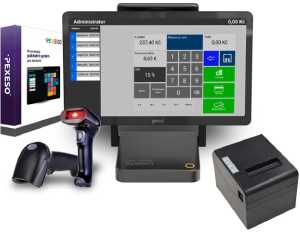
An All-in-One PC running Android with the unlimited PEXESO POS system is a striking design element, and its performance covers larger venues too. It also comes with an 80 mm thermal receipt printer, a scanner and a cash drawer.
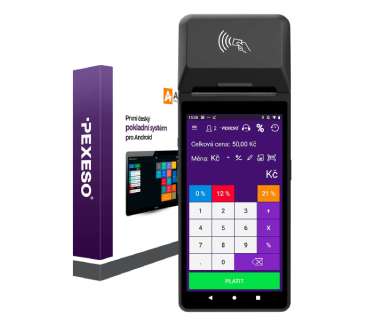
The CIONTEK mobile touch register with the PEXESO Calculator software prints receipts on its built-in thermal printer, scans codes with the camera and accepts card payments via GPTom and Viva Wallet.
A mobile printer is useful in the field, a payment terminal for card acceptance and a customer display for fixed premises.

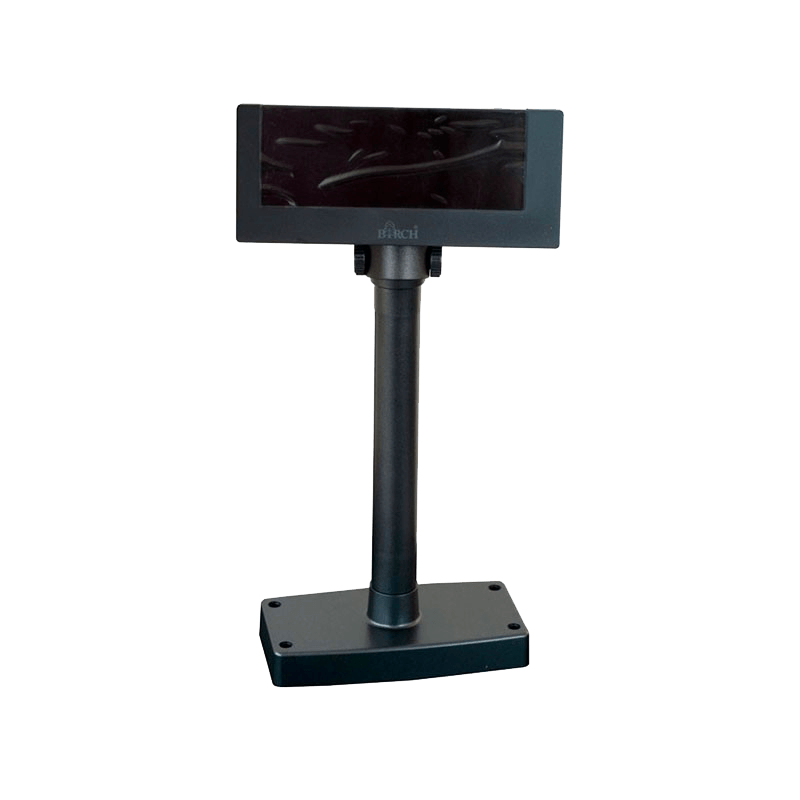
customer display
Can be connected to the desktop POS system for Windows. The computer stays behind the counter and the customer still sees the items being charged.
Price: 1,990 Kč
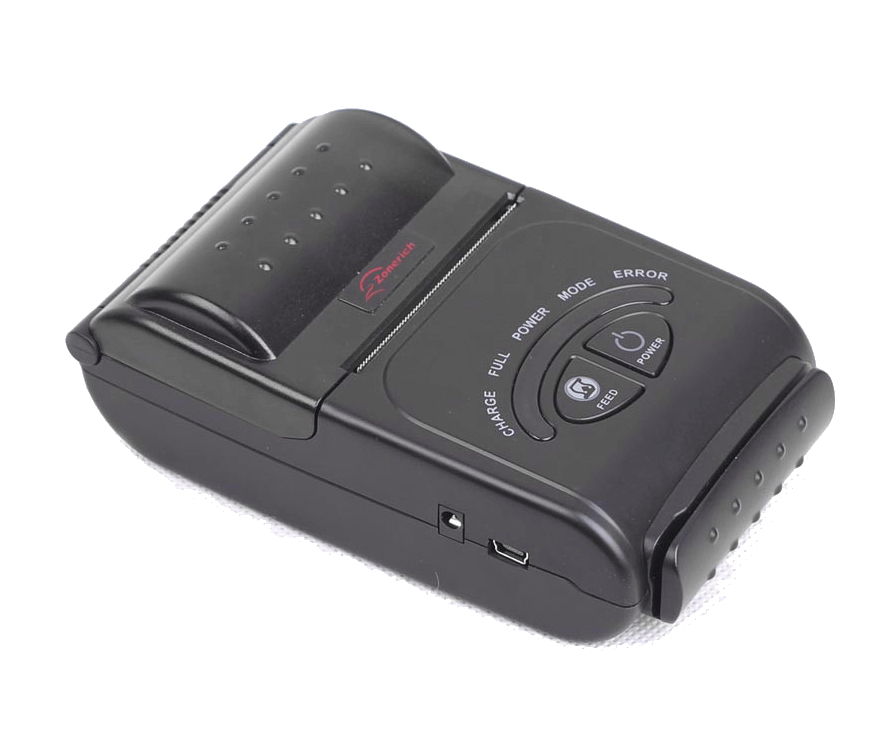
Bluetooth printer
A quality mobile printer that connects over Bluetooth to any Android device, and to the Windows desktop version as well.
Price: 3,490 Kč
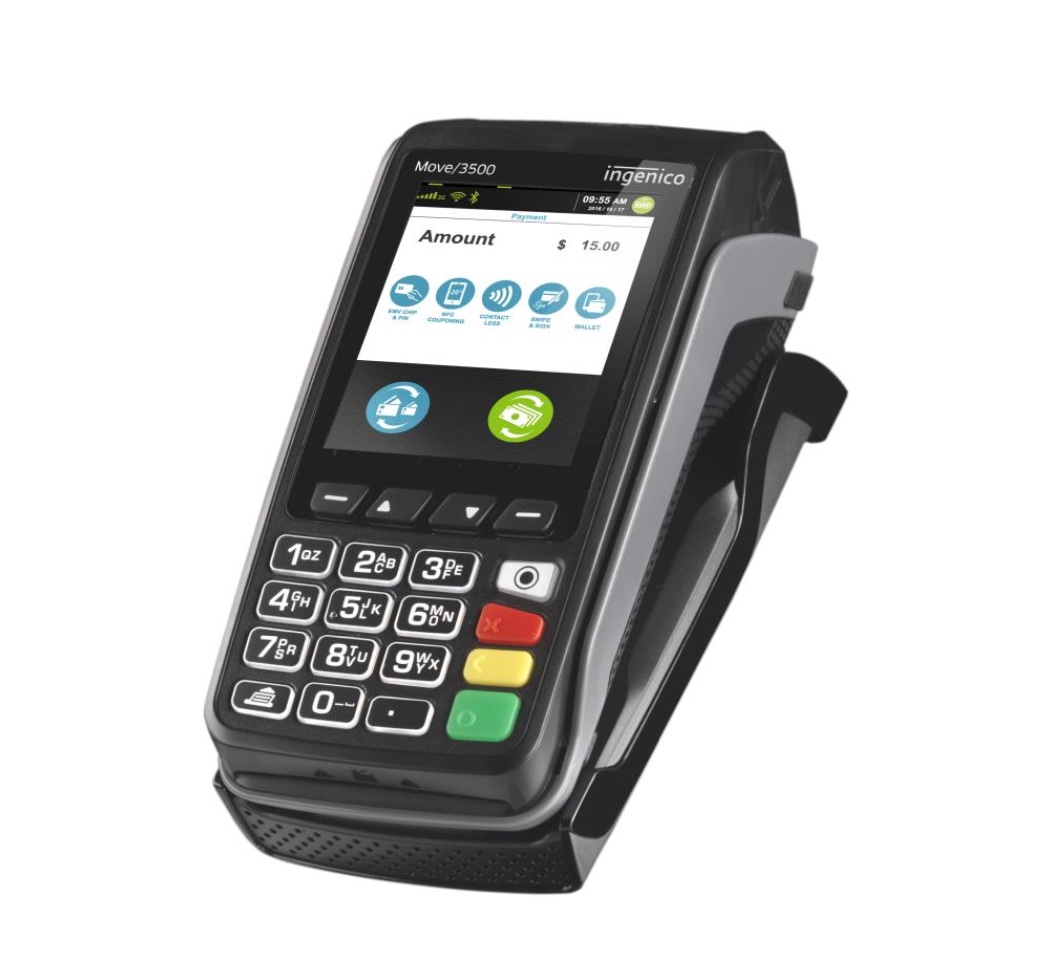
payment terminals
Card payments keep growing – terminals from ČSOB, Global Payments and VivaWallet let you accept them. Getting one is free of charge.
Price: 0 Kč
Running a business does not automatically require a particular commercial POS system. The need depends on how you sell and operate. With EET 2.0, however, you may need a way to record payments that meet the conditions for a recorded sale.
Yes, when they receive qualifying business income in cash or as contact payments and no statutory exemption applies. Typical examples are cash, card or QR payments accepted directly at a customer’s location.
A conventional bank transfer paid remotely later against an invoice is not a contact payment and is usually not recorded. A QR payment made during personal contact is a contact payment.
Yes. Non-VAT status alone does not automatically exclude a business from EET.
Yes. Depending on the POS system, a phone or tablet can be used for a simpler operation. Suitability depends on the operating system, payment volume and required features.
Yes. A mobile register can be more practical than a fixed setup for tradespeople, service technicians and other businesses working in the field.
The sales-recording law does not require an EET receipt to be issued or printed. Other legislation may still require a different document to be issued.
Tell us what service or trade you provide and whether you work from premises or at customer locations. We will help you choose a solution that fits the way you actually work.
Help me chooseTell us about your business and how you work. We will help you choose the right solution.